

BIOGRAPHY
La diffusione del proprio nickname è il punto di partenza nella vita di un writer,
che culmina nella realizzazione di Wildstyle, evoluzione della forza delle proprie lettere.
La ricerca di stile è la chiave per guadagnare rispetto e notorietà,
le ragioni stesse per cui è nato il Graffiti Writing.

Uno dei graffiti writer italiani della prima ora, KayOne, classe 1972, ha cominciato a dipingere per strada nel 1988 a 15 anni. Pioniere a Milano quando i Graffiti comparivano solo nelle serie riciclate dei telefilm americani e quando le tendenze impiegavano cinque anni per attraversare l'Oceano. KayOne passa gran parte del suo tempo lavorando come art director e artista, dipingendo quadri e muri in Italia e all'estero.Colpito in quegli anni dalla grande forza e dall’impatto visivo che il Graffiti Writing sa esprimere nella strada, e da quel sapore unico che il movimento Hip Hop trasmette, quel momento segnò il corso della sua vita fino ad oggi. Erano tempi duri per i writer italiani, non si conosceva a fondo il fenomeno e si guardava all’estero con curiosità e ammirazione, ma erano momenti di fermento, furono i pionieri italiani di un nuova grande cultura underground, figlia della strada e fatta sulla strada. Al tempo erano veramente in pochi, si riunivamo tutti al “muretto” per sentirsi parte di un gruppo, condividere la loro passione, scambiarsi consigli sulle bozze e ascoltare un nuovo testo. Passavano intere giornate a parlare di writing, con davanti breakers, skaters e frisbee che volano sulle teste. Innumerevoli i tentativi per ottenere tappini skinny o fat, pennarelli enormi con inchiostri indelebili e la ricerca spasmodica di materiale fotografico proveniente dall’estero, momenti che in pochi hanno avuto il privilegio di assaporare, riconoscendo nel presente del writing italiano, il frutto di anni di lavoro di tutti quelli che c’erano. Fondatore nel 1991, insieme ad Airone e Adstar, della prima fanzine italiana dedicata al writing "Hip Hop Tribe Magazine", assemblando fotocopie e fotografie, la fanzine segnò la storia del writing italiano come il primo mezzo di diffusione della cultura a livello nazionale e internazionale diventando voce ufficiale del movimento. Grazie al writing, ha conosciuto persone provenienti da tutto il mondo e ha partecipato ad innumerevoli Jam. Nel writing ha ritrovato un microcosmo, fatto di regole e leggi non scritte dettate da un forte senso di rispetto e appartenenza per i componenti meritevoli. Figlio di una ricerca non accademica, il writing è in continua evoluzione, sempre attento ai tanti stimoli della strada. Lo stile di KayOne è rimasto fedele ad una linea più old school rispetto a molti filoni contemporanei vicini ad influenze dettate dalla grafica e il 3D, mantenendo vivo lo spirito dei primi pionieri di newyorkesi e quel sapore Hip Hop che nel writing contemporaneo è andato scomparendo. Ha studiato in maniera maniacale l’evoluzione della calligrafia, base dello stile di ogni writer. Ha curato la realizzazione di molti tra i più importanti eventi legati alla cultura del Graffiti Writing. Istintivamente, da quando ha intrapreso la sua “carriera”, forse per i suoi studi artistici, ha realizzato quadri astratti vicini a quel sapore della strada. Su tela ha cercato di ritrovare una forma più gestuale e istintiva del dipingere, senza abbandonare quell’impatto visivo classico del Graffiti Writing, che su muro esprime tutta la sua forza con colori accesi e grandi dimensioni, realizzando opere che rimandano a quel mondo unendo tra loro la lezione della Pop Art americana con la forza dell'informale italiano. Molte le esposizioni recenti di successo: Museo della Triennale, 55ª e 54ª Biennale di Venezia, Castello Visconteo di Pavia e Grattacielo Pirelli. Astrazione per rappresentare e comunicare, fuggendo dalla realtà di cui sembra indispensabile parlare e che quotidianamente, con forza, invade la nostra vita, tutto questo senza rinunciare a rubare lo sguardo della gente, che passando davanti ai suoi lavori è rapita, ecco la sua vittoria, il suo urlo silenzioso... io esisto, guardami!

Milano, 1988 - Bombing in città

Milano, 1991 - Muro di Via Rosalba Carriera
One of the very first Italian Graffiti Writers, KayOne, born in 1972, has began painting in the street in 1988 at the age of 15. A pioneer in Milan when Graffiti appeared only on recycled American TV shows, and when it took five years for trends to cross the Ocean. KayOne spent most of his time working as an art director and artist, painting pictures on walls in Italy and abroad. Struck at that time by the great strength and visual impact that Graffiti Writing can express in the street, and that flavor that only the Hip Hop movement can evoke, that moment marked the course of his life up to the present day. Those were hard times for the Italian writer, who did not know in depth the phenomenon and looked with curiosity and admiration abroad, those were times of turmoil, Italians were the pioneers of a new great underground culture, result of the road and made on the road. At the time there were very few of them, they would gather at the "wall" to feel part of a group, share their passion, exchange tips on sketches and listen to new lyrics. They spent the whole day talking about Writing, in front of breakers, skaters and frisbees flying over their heads. Countless attempts to get skinny or fat caps, huge markers with indelible ink and the frantic search for photographic material from abroad, moments that just few have had the privilege of tasting, recognizing in this the Italian Writing, as result of years of work of all those who were there. Founder in 1991, along with Heron and Adstar, of the first Italian fanzine dedicated to Writing, "Hip Hop Tribe Magazine", assembling photocopies and photographs, the fanzine marked the history of Italian Writing as the primary means of spreading the culture at national and international level becoming the official voice of the Movement. Thanks to Writing, he met people from all over the world and has participated to numerous jams. In Writing he has found a microcosm, made up of rules and unwritten laws dictated by a strong sense of belonging and respect for the deserving components . Son of a non-academic research, Writing is always changing, always attentive to the many stimuli of the road. The style of KayOne has remained faithful to a more "old school" strand compared to many others closer to contemporary influences dictated by graphics and 3D, keeping alive the spirit of the early New Yorker pioneers and of the Hip Hop flavor which has begun to disappear in Contemporary Writing. He has studied maniacally the evolution of calligraphy, the base of the style of each Writer. He has supervised the construction of many of the most important events related to the culture of Graffiti Writing. Instinctively, since he began his "career", perhaps for his art studies, he made abstract paintings closest to the taste of the road. On canvas he has tried to find a more gestural and instinctive kind of painting, thus not abandoning the impacting visual look of Graffiti Writing, it is on the wall that he expresses his full force through bright colors and large dimensions creating works that refer to that world by joining the lessons of American Pop Art with the strength of the Italian Informal. Many are the recent successful exhibitions: Museum of the Triennale, 55th and 54th Venice Biennale, Visconteo Castel of Pavia and the Pirelli Tower. Abstraction as a means to represent and communicate, running away from reality which seems impossible not to mention and that daily, with strength, invades our lives, all of this yet stealing the viewers' gaze , who walking in front of his works are ravished, here is his victory , his silent scream... I exist, look at me!

Milano, 1990 - Esibizione in Piazza Duomo
Milano, 1989 - Bombing in Via Giambellino
HIP HOP TRIBE MAGAZINE
Fondatore insieme ad Airone della prima fanzine italiana dedicata al writing Hip Hop Tribe Magazine. Nata nel 1991, assemblando fotocopie e fotografie, segnerà la storia del Graffiti Writing italiano come il primo mezzo di diffusione della nostra cultura a livello nazionale e internazionale. Qui sotto le copertine della fanzine, che nella sua storia vedrà la collaborazione di writer mitici come Phase 2, Sharp, Daze, Loomit, Kave, Mode 2 e Jonone che realizzarono cover storiche personalizzate per Tribe. Voce del writing nazionale, negli anni raggiungerà una distribuzione capillare sull'intero territorio nazionale con il primato di essere la prima fanzine italiana dedicata ai Graffiti interamente stampata a colori. Sede del giornale, la mecca dell'hip hop milanese, il negozio WAG, che vedrà nel suo titolare Alberto Adstar il terzo componente dello staff di Tribe.


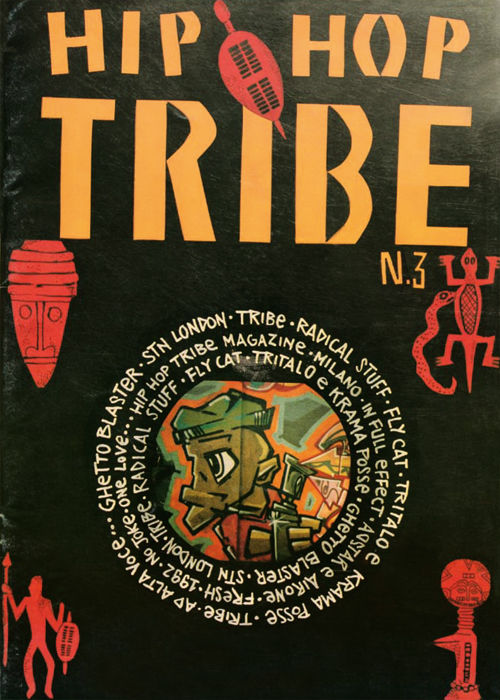


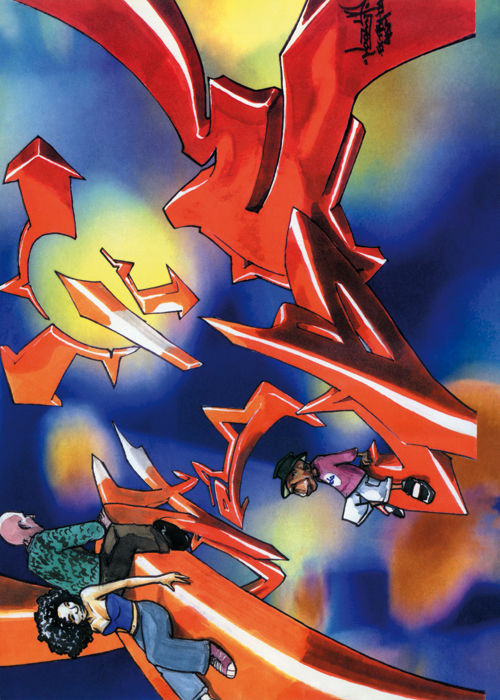


Copertine di Hip Hop Tribe Magazine
Un salto nel passato - Stepping into the past
Alberto Adstar Scabbia
Conosco Marco da vent’anni. Ricordo i giorni dei nostri primi incontri, alla fine degli anni ottanta nel negozio che avevo in Porta Ticinese a Milano, dove iniziai a vendere abbigliamento hip hop. Ricordo la fibbia che gli feci con il suo nome d’arte, Kay. Era la tipica fibbia con le lettere, che tutti i b-boy si facevano per distinguersi nel loro modo di essere e appartenere alla cultura hip hop. Marco era abbastanza atipico nello stile di abbigliamento rispetto agli altri ragazzi, vestiva elegante ma sempre pronto ad affrontare un muro con due bombolette nelle tasche del suo giaccone Barbour. Continuammo a frequentarci quando aprii nel 1990 il negozio Wag, il primo negozio hip hop in Italia, che divenne il punto d’incontro di tutti i writer e rapper milanesi.I primi anni novanta furono davvero avvincenti e creativi e le crew che operavano sui muri della città sviluppavano lavori sempre più affascinanti, mosse da una rivalità e da una competitività incessante, attingendo dalla culla dello stile, cioè New York, mischiandola con lo stile europeo che imperava in Francia, Germania, Inghilterra e Svizzera.Marco faceva parte di una delle prime crew di Milano, MNP – Milano Napalm Posse, e ricordo bene il suo stile pulito e impareggiabile nello stendere i colori e tracciare le linee, cosa non facile considerando gli spray dell’epoca, ma soprattutto maestro dei figurativi cioè i cosiddetti puppet. Veramente belli e perfetti nella realizzazione conferivano al pezzo una completezza artistica. I suoi lavori erano ovunque e il suo nome sempre più diffuso tra gli “addetti ai lavori”. Le tag KayOne, Kone segnavano continuamente i muri della città, così come i pezzi che uno dopo l’altro evolvevano stilisticamente. Nel 1991 si unì a me e ad Airone nella realizzazione di “Hip Hop Tribe”, la prima rivista dedicata al writing, che per un decennio diffuse lo stile italiano in tutto il mondo contribuendo a instaurare nuove connessioni e stimoli tra tutti gli artisti della scena. “Tribe” fu un’esperienza incredibile. Venimmo a contatto con tutti i maestri del writing americano ed europeo creando nuovi rapporti e sincere amicizie. Fu un lungo periodo d’impegno, ma soprattutto di divertimento. I primi numeri li realizzavamo a mano, montando le pagine con collage fotografici e scrivendo i testi con la macchina per scrivere, e i titoli con i letraset. Eravamo agli albori dell’uso dei computer. Ricordo lo scanner che usavamo nella tipografia, costava venti milioni di lire! Ed era delle dimensioni di un foglio A3! La distribuzione avveniva tramite i writer delle varie città sia italiane sia estere, nelle varie jam di graffiti e nei negozi di cultura street. Nel tempo arrivammo a distribuirlo in vari continenti, tramite la catena Tower Book. L’ultimo numero di “Tribe” uscì alla fine degli anni novanta, ma la passione per i graffiti e le sue evoluzioni continuarono a interessarci e a impegnarci.Marco, amante del writing, animato dalla volontà di conoscere e confrontarsi, ma soprattutto di evolversi, dal suo percorso artistico crea il suo lavoro.Essere affermato artista e titolare di un’agenzia, che cura eventi nel settore, fa di Marco KayOne un nome inciso nella storia, nella Hall of fame, ma proiettato nel futuro per mostrarci e guidarci, con la sua inesauribile voglia di dipingere e creare, in nuove dimensioni colorate.
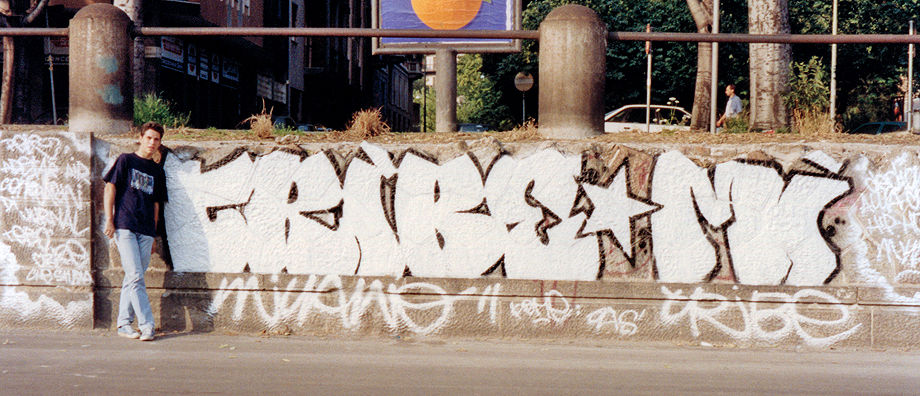
Milano, 1992 - Bombing sulla Darsena dei Navigli
I’ve known Marco for twenty years. I remember our first meetings in the late 80s at a store I had at Porta Ticinese in Milan, where I started selling hip hop apparel. I remember the buckle I made for him with the name he went by, Kay. It was the typical kind of buckle with lettering that all the b-boys had to distinguish themselves, their mindset and they fact they were a part of hip hop culture. But Mark was fairly atypical in his style of dress compared to the other guys. He was elegant yet always ready to tackle a wall, with a couple of aerosol sprays in the pockets of his Barbour jacket. We continued to see quite a lot of each other when in 1990 I opened Wag, Italy’s first hip hop store, and it became a meeting point for all the writers and rappers in Milan.The early 90s were really fascinating and creative and the crews that worked on the city walls did increasingly fascinating work, driven by rivalry and incessant competitiveness. They borrowed from the cradle of the style, meaning New York, and combined it with the European style prevailing in France, Germany, Britain and Switzerland.Marco belonged to one of the first crews in Milan—MNP, Milan Napalm Posse. I clearly remember his clean and incomparable style in the way he laid on colors and traced lines, which wasn’t easy considering the spray cans they used in those days. But above all he was a master of figuratives, meaning the so-called puppets. They were really beautiful and perfect in rendering and gave each piece an artistic accomplishment. His works were everywhere and his name was increasingly well known among insiders. The tags KayOne and Kone continually appeared on the city walls, like the pieces that evolved stylistically one after the other. In 1991 he joined me and Airone to create Hip Hop Tribe, the first magazine devoted to writing, which for a decade spread the Italian style around the world and helped establish new connections and stimulating new ideas between all the artists on the scene. Tribe was an incredible experience. We came into contact with all the masters of American and European writing, forging new relationships and sincere friendships. It was a long period of commitment and above a lot of fun. We set up the first issues by hand, assembling the pages with photographic collages and writing the texts on a typewriter and using a letraset for the titles. That was the dawn of the computer. I remember the scanner we used in the print shop cost 20,000,000 liras! And was the size of an Audi A3! We distributed it through writers in the various cities, both Italian and foreign, at the various graffiti jams and street culture stores. Eventually we succeeded in selling it in various continents, with distribution handled by the Tower Book chain. The last issue of Tribe came out in the late 90s, but the passion for graffiti and its evolution continued to interest and engage us.Marco loves writing. He’s driven by the urge to learn and measure himself against others, but above all to develop. He makes his work out of his artistic progress.He’s a well-known artist and the owner of an agency that organizes events in the sector, so making Marco KayOne a name inscribed in history, the Hall of Fame, but projected into the future to lead and guide us with his inexhaustible urge to paint and create into new and colorful dimensions.